Medicine Cabinet Confessions: The Hidden Cost of Australia's Medication Hoarding Habit
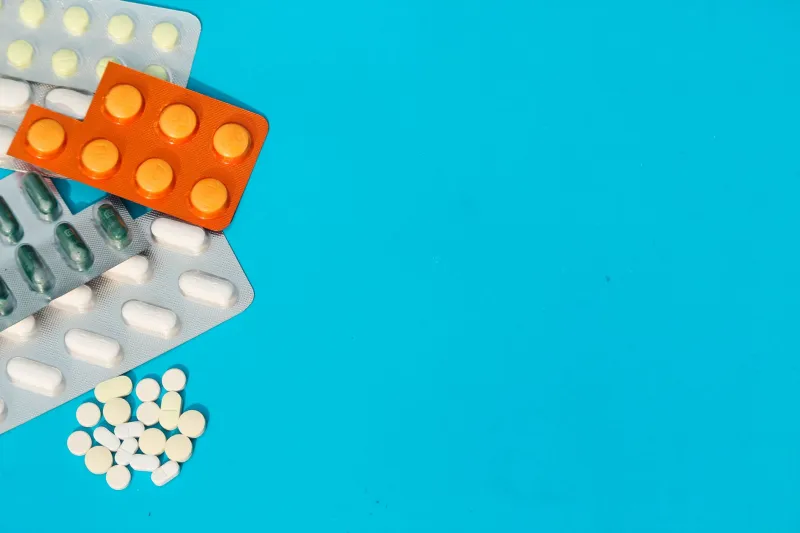
Open the bathroom cabinet in the average Australian home and you are likely to find a familiar scene: half-finished blister packs of antibiotics, three different brands of ibuprofen, a bottle of cough syrup that expired sometime during a previous federal government, and enough antihistamines to survive an entire spring season. It is, in many ways, a portrait of good intentions gone slightly awry.
Australia has a medication stockpiling problem — and while it rarely makes headlines, its consequences ripple across household budgets, pharmacy supply chains, and the natural environment alike.
How Did Our Medicine Cabinets Get So Full?
The tendency to accumulate medications is rarely born of carelessness. More often, it stems from a deeply human instinct: the desire to be prepared. When illness strikes, the last thing anyone wants is to make an emergency dash to the chemist. So we buy extra. We keep the leftovers. We accept the repeat prescription "just in case."
This behaviour was thrown into sharp relief during the COVID-19 pandemic, when panic-buying of paracetamol and cold-and-flu preparations emptied pharmacy shelves across the country. But the underlying impulse predates any pandemic. Research into Australian consumer health behaviour consistently identifies a pattern of precautionary over-purchasing, particularly among households with children, elderly residents, or individuals managing chronic conditions.
There is also a financial logic — however flawed — at play. When a medication is available on the Pharmaceutical Benefits Scheme (PBS) at a subsidised co-payment, some consumers reason that stocking up represents good value. In practice, medications purchased today may well expire before they are needed, rendering that perceived saving entirely illusory.
The Psychological Pull of a Stocked Cabinet
Beyond practicality, there is a genuine psychological dimension to medication hoarding. Health anxiety — a recognised and increasingly prevalent concern among Australians — can drive individuals to maintain extensive home pharmacies as a form of reassurance. The presence of a well-stocked cabinet offers a sense of control over health outcomes, even when the medications within it are unlikely to ever be used.
Similarly, the cognitive bias known as loss aversion plays a role. Discarding unused medication feels wasteful, even when retaining it serves no practical purpose. We hold onto that half-pack of sleeping tablets from a stressful period two years ago because throwing it away feels like admitting defeat — or simply because the thought of needing it again and not having it is quietly unsettling.
Pharmacists across Australia will recognise this dynamic. Patients frequently request early repeats on prescriptions not because they have run out, but because they feel uncomfortable when their supply drops below a certain threshold.
What It Is Actually Costing Australian Households
The financial toll of unused medications is difficult to quantify precisely, but available estimates are sobering. Industry observers have suggested that Australian households collectively discard hundreds of millions of dollars' worth of medications annually. At the individual level, a household spending even a modest amount on medications it never uses is effectively donating money to a bin.
For those managing multiple prescriptions — a reality for the roughly one in three Australians living with a chronic condition — the cumulative waste can be substantial. Duplicate purchases arising from miscommunication between family members, forgotten stockpiles discovered during a move, or medications dispensed in quantities that never match actual consumption patterns all contribute to the problem.
Beyond direct financial loss, there is the subtler cost of cabinet clutter creating confusion. When medications are poorly organised or unlabelled, the risk of accidentally taking an expired product, doubling up on a dose, or selecting the wrong formulation increases meaningfully.
The Environmental Equation
Waste medication is not merely a household inconvenience — it is an environmental concern of genuine significance. When unused medicines are flushed down the toilet or disposed of in general household rubbish, pharmaceutical compounds enter waterways and soil. Studies conducted in Australia and internationally have detected traces of common medications — including antibiotics, hormonal preparations, and anti-inflammatory drugs — in river systems and groundwater.
The consequences for aquatic ecosystems and, potentially, for human health through contaminated water supplies are areas of active scientific investigation. What is already clear is that improper medication disposal is a problem we have the means to address.
Safe Disposal: What Every Australian Should Know
Australia operates the Return Unwanted Medicines (RUM) Project, a federally supported initiative that allows consumers to return unused or expired medications to participating pharmacies at no cost. The returned medicines are then disposed of through high-temperature incineration — a method that effectively neutralises pharmaceutical compounds without releasing them into the environment.
The scheme is straightforward: gather your unwanted medications, remove any personal information from packaging where possible, and bring them to your local participating pharmacy. Most community pharmacies across the country are enrolled in the programme. There is no requirement to have originally purchased the medicines from that pharmacy, and no questions are asked.
At Aussie Health Shop, we encourage all of our customers to make use of this service as a matter of routine — not only when cabinets reach crisis point, but as part of a regular household health audit.
Conducting a Home Medication Audit
The most effective antidote to medication accumulation is a periodic, systematic review of what you actually have at home. Here is a practical approach:
Step one — Gather everything. Remove all medications from every location in your home: the bathroom cabinet, the kitchen drawer, the bedside table, the car glovebox. Centralising your stock is the only way to get an accurate picture.
Step two — Check expiry dates. Discard anything that has passed its expiry date. Expired medications may have degraded in potency or, in some cases, may have become chemically altered in ways that affect safety. Set these aside for RUM disposal.
Step three — Identify duplicates. Look for medications serving the same purpose — multiple pain relievers, several antihistamine brands, overlapping cold-and-flu preparations. Retain only what you are likely to use within a reasonable timeframe.
Step four — Review prescription medications. Any prescription medicine that is no longer being taken — whether a course was completed, a treatment changed, or a condition resolved — should be returned to a pharmacy rather than stored indefinitely.
Step five — Organise what remains. Store medications according to the manufacturer's instructions (not all medicines belong in the bathroom, where heat and humidity can accelerate degradation). Label items clearly and note expiry dates.
Step six — Establish a review cadence. Schedule a brief cabinet audit every six months. Linking it to a seasonal event — the change to daylight saving time, for instance — makes it easier to remember.
Smarter Purchasing Going Forward
The most sustainable solution to medication overstock is, naturally, to avoid accumulating it in the first place. A few principles worth adopting:
- Purchase medications in quantities that reflect realistic consumption. A large pack may appear to offer better value, but only if the product will actually be used before it expires.
- Resist the urge to request early prescription repeats unless your supply genuinely warrants it.
- Communicate with other household members before purchasing common medications to avoid duplication.
- Consult your pharmacist before buying over-the-counter products. A brief conversation can often clarify whether a product is truly necessary or whether something you already have at home is equally appropriate.
A Final Word
The well-stocked medicine cabinet is a reassuring fixture of Australian domestic life — but there is a meaningful difference between being prepared and being overloaded. By auditing what we have, disposing of what we no longer need through responsible channels, and purchasing more mindfully going forward, Australian households can reduce waste, save money, and contribute to a cleaner environment.
If you have questions about medication storage, disposal, or whether a product in your cabinet is still appropriate for use, the team at Aussie Health Shop is always available to assist. Good health management begins well before you open a packet — it starts with knowing exactly what you have, and why you have it.