What's Inside the Bottle Is Only Half the Story: How Pharmaceutical Packaging Affects Your Health
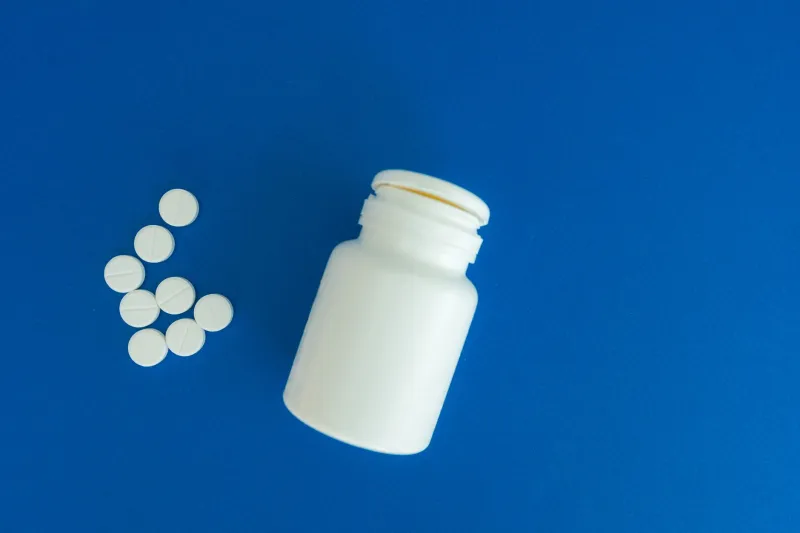
When Australians collect a prescription from the pharmacy, attention naturally gravitates toward the label — the dosage instructions, the warnings, the name of the drug. Rarely does anyone pause to consider the bottle itself. Yet the container in which a medication is dispensed can influence everything from its chemical stability to whether a patient actually takes it correctly. Pharmaceutical packaging is not a neutral vessel. It is, in many respects, a clinical decision.
Light, Heat, and the Chemistry of Degradation
Certain medications are acutely sensitive to light exposure. Nitroglycerine, some antibiotics, and a range of antipsychotic and cardiac medications can degrade significantly when stored in clear or translucent containers. The amber-coloured bottles that have become a standard in Australian dispensing exist for precisely this reason — the tinted glass or plastic filters out ultraviolet and visible light wavelengths that accelerate chemical breakdown.
The problem arises when dispensing practices deviate from this standard. Blister packs, for instance, often provide superior light and moisture protection compared to multi-dose bottles. However, not all blister pack materials offer equivalent protection, and repackaging medications from manufacturer blisters into pharmacy dispensing bottles — a common practice — can inadvertently expose light-sensitive compounds to conditions that compromise their potency.
For Australian consumers managing conditions such as epilepsy, cardiovascular disease, or psychiatric disorders, a degraded medication is not simply a wasted purchase. It may mean undertreated symptoms, unexpected side effects, or — in serious cases — a medical emergency.
The Childproof Cap Paradox
Childproof packaging was introduced with unambiguous good intentions. In Australia, the Therapeutic Goods Administration (TGA) mandates child-resistant closures for many Schedule 4 and Schedule 8 medications, and the policy has contributed to a meaningful reduction in accidental childhood poisonings over several decades.
However, the same mechanism designed to protect children can create significant barriers for the adults who need the medication. Elderly Australians — a rapidly growing proportion of the country's chronic disease population — frequently struggle with the dexterity required to operate push-and-turn caps. Patients with arthritis, Parkinson's disease, or post-stroke motor impairments may find that the very packaging meant to promote safety instead discourages timely dosing.
Research published in international pharmacy journals has consistently demonstrated a link between packaging difficulty and medication non-adherence. When taking a tablet requires a minor physical struggle, patients — particularly those who are unwell, fatigued, or in pain — may delay doses, skip them entirely, or resort to decanting medications into easier-to-open containers that offer no child-resistant or light-protective properties whatsoever.
Australian pharmacies are legally permitted to dispense medications in non-child-resistant packaging when a patient requests it, provided no children are present in the household. Patients who find standard closures difficult to manage are encouraged to speak directly with their pharmacist about this option.
Moisture, Desiccants, and the Overlooked Variables
Australia's climate presents unique packaging challenges that are not always reflected in international dispensing standards. In tropical and coastal regions — Darwin, Cairns, coastal Queensland — ambient humidity levels can dramatically accelerate the deterioration of hygroscopic medications, those that readily absorb moisture from the surrounding air.
Many manufacturer-sealed blister packs include desiccant sachets or are formed from moisture-barrier materials specifically engineered to address this problem. When medications are transferred into standard pharmacy dispensing bottles without equivalent moisture protection, patients in high-humidity environments may unknowingly receive a product that degrades faster than its stated expiry date would suggest.
Cotton wool wadding, once routinely placed inside tablet bottles to prevent movement during transit, is now understood to attract and retain moisture — counterproductive for medications requiring dry storage. Many Australian pharmacies have moved away from this practice, though it has not disappeared entirely.
Dosing Accuracy and Packaging Design
Liquid medications introduce an additional layer of packaging complexity. The accuracy of a measured dose depends not only on a patient's diligence but on the quality of the measuring device provided. Household teaspoons, which patients sometimes use when a proper measure is unavailable, vary in actual volume by as much as 40 per cent. Australian pharmacy guidelines recommend that oral syringes or calibrated measuring cups be dispensed alongside all liquid medications — a standard that is not universally followed.
For paediatric liquid antibiotics, accurate dosing is particularly consequential. Underdosing may contribute to antibiotic resistance; overdosing introduces toxicity risk. The dispensing container and its accompanying measurement tool are, in this context, as clinically significant as the prescription itself.
What Better Packaging Looks Like — And Where to Find It
A growing number of Australian online pharmacies and forward-thinking retail chemists are investing in improved dispensing packaging. Unit-dose blister repacking services — where individual doses are sealed in separate compartments labelled with day and time — have demonstrated measurable improvements in adherence among patients managing multiple medications. This format also provides a built-in visual record of whether a dose has been taken, reducing the risk of accidental double-dosing.
Pharmacokinetically sensitive medications, such as certain thyroid treatments and immunosuppressants, are increasingly being supplied in manufacturer-original packaging rather than pharmacy-decanted bottles, specifically to preserve integrity throughout the supply chain.
Patients who are concerned about their current dispensing packaging have several practical avenues. Raising the matter directly with a pharmacist is the most immediate step — a good pharmacist will take packaging concerns seriously and explore alternatives. For medications with known light or moisture sensitivity, asking specifically whether the dispensed container meets the storage requirements listed in the product information is entirely reasonable.
Practical Steps for Australian Patients
The packaging your medication arrives in is not fixed or beyond question. As a patient, you are entitled to ask:
- Whether your medication is light-sensitive and whether the dispensing container accounts for this
- Whether a non-child-resistant closure can be provided if standard caps are difficult to manage
- Whether your liquid medication comes with a calibrated measuring device
- Whether manufacturer-original blister packaging is available instead of a dispensing bottle
For those ordering medications online, reputable Australian online pharmacies maintain the same dispensing standards as physical chemists and are subject to identical TGA regulatory requirements. When in doubt, contact the pharmacy directly before your order is dispatched — adjustments to packaging are far easier to make before the medication leaves the warehouse.
The bottle, the blister, the cap, the measure — none of these are afterthoughts. They are part of the therapeutic chain. Treating them as such is a straightforward way to protect both the integrity of your medication and the consistency of your health outcomes.