Boarding Pass and a Box of Tablets: What Every Australian Must Sort Before Flying with Medication
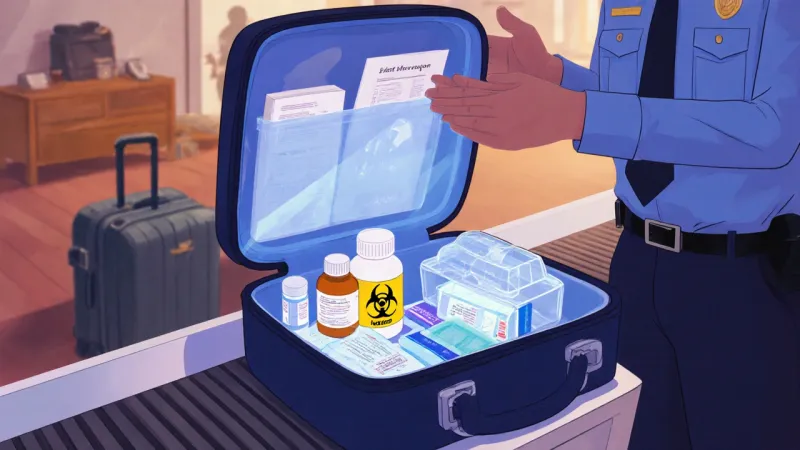
Photo: traveller packing medication into carry-on bag at airport, via vtgateway.org
For most Australians, preparing for an overseas trip means checking passport validity, booking travel insurance and arguing about seat selection. Medication rarely makes the list until it's too late — and every year, travellers are stopped at foreign airports, forced to surrender medicines, or left stranded without a script because of a few overlooked steps.
The rules vary enormously between destinations. What sits quietly in your bathroom cabinet in Brisbane might be a tightly controlled substance in Singapore or the United Arab Emirates. A little preparation goes a long way.
Why Some Medicines Raise Red Flags Abroad
Several medications commonly prescribed in Australia fall into restricted categories overseas. Stimulants used for ADHD, certain pain medications containing codeine or oxycodone, and even some sleeping aids can trigger scrutiny at customs in parts of Asia and the Middle East.
Japan, for example, restricts pseudoephedrine — the decongestant in many cold-and-flu products sitting in Australian travel first-aid kits. Carrying it without approval can technically land you in trouble before you've even cleared arrivals.
Before booking, check the embassy or consulate website of your destination, or use the Department of Foreign Affairs and Trade (DFAT) travel advisories, which flag medication concerns country by country.
The GP Travel Letter: Your Most Important Document
A medication travel letter — sometimes called a scripts for travel letter — is a short document from your GP listing each medicine, its generic name, dosage, and confirmation that it's prescribed for you. It costs little, takes one appointment, and resolves most questions at customs.
Ask your GP to include generic drug names rather than brand names. A script for "Panadeine Forte" means nothing to a customs officer in Frankfurt; "paracetamol with codeine" does.
Getting Enough Supply — Without Breaking PBS Rules
The Pharmaceutical Benefits Scheme generally dispenses one month's supply at a time, which creates friction for long trips. Options include:
- Early refills via the PBS Authority system — your doctor can sometimes approve an additional supply for travel.
- Paying the private prescription price for extra quantities, which costs more but is straightforward.
- Planning refills abroad — your GP can provide a prescription valid internationally in many cases, though filling it depends on the destination country's laws.
Never split your supply between checked and carry-on luggage and then check the carry-on. Keep all medication in your hand luggage — lost suitcases are recoverable; lost insulin is not.
A Pre-Departure Checklist
- Obtain a GP travel letter listing all medicines by generic name
- Keep medicines in original packaging with pharmacy labels attached
- Confirm destination country's rules on each medication via its embassy or DFAT advisories
- Apply for permits where required (for example, some countries require advance approval for controlled substances)
- Carry a spare script or digital copy
- Pack more than you need, in case of delays
- Check whether your travel insurance covers lost or replaced medication
If Your Medication Is Lost or Confiscated Overseas
It happens: a bag is stolen in Barcelona, or a bottle is seized in Dubai. First, contact the nearest Australian embassy or consulate — staff can help locate an English-speaking doctor or pharmacist. Your GP back home can email a prescription summary, and telehealth services now allow Australian-registered doctors to consult travellers abroad in many cases.
Travel insurance is your safety net here, but only if medication replacement is covered. Read the product disclosure statement — many basic policies exclude it.
The Bottom Line
A week of preparation prevents a holiday-defining disaster. Book the GP appointment, print the letter, check the destination's rules, and pack smart. Your future self, breezing through customs with everything in order, will be grateful.